












Feeling stuck in customer service or unsure how your experience applies to other roles? Many professionals underestimate the value of their daily work. Handling complaints, solving urgent problems, managing multiple conversations, and staying calm under pressure build powerful, transferable customer service skills. These abilities go far beyond support desks. In this guide, you'll discover the most in-demand transferable skills for 2026 and how they can open doors across industries and career paths.
- Customer service builds 10 high-value skills that apply across industries Emotional intelligence, communication, active listening, conflict resolution, problem-solving, time management, teamwork, technical proficiency, subject matter expertise, and sales and retention skills all transfer directly into leadership, operations, sales, HR, and other career paths.
- These skills combine people skills with practical business execution Customer service develops both interpersonal strengths like empathy and clear communication, and operational abilities like CRM proficiency, prioritization, and workflow management. This balance makes service professionals adaptable to nearly any professional setting.
- Framing skills with measurable results makes resumes significantly stronger Instead of listing vague phrases like 'excellent communication,' high-performing resumes pair skills with outcomes. For example, 'Resolved escalated cases within 24 hours, improving CSAT from 88% to 94%' proves competence and business impact.
- Technical tool experience from customer service is highly transferable Proficiency with CRM platforms like Salesforce, ticketing systems like Zendesk, collaboration tools like Slack, and reporting dashboards builds digital literacy that employers value across sales, marketing, operations, and remote team environments.
- Volunteering for complex cases accelerates skill development faster than routine work Challenging situations require deeper emotional control, advanced problem-solving, and cross-department collaboration. Stepping outside routine tasks builds confidence and expands transferable skills in real, high-impact scenarios that stand out on a resume.
What are transferable customer service skills?
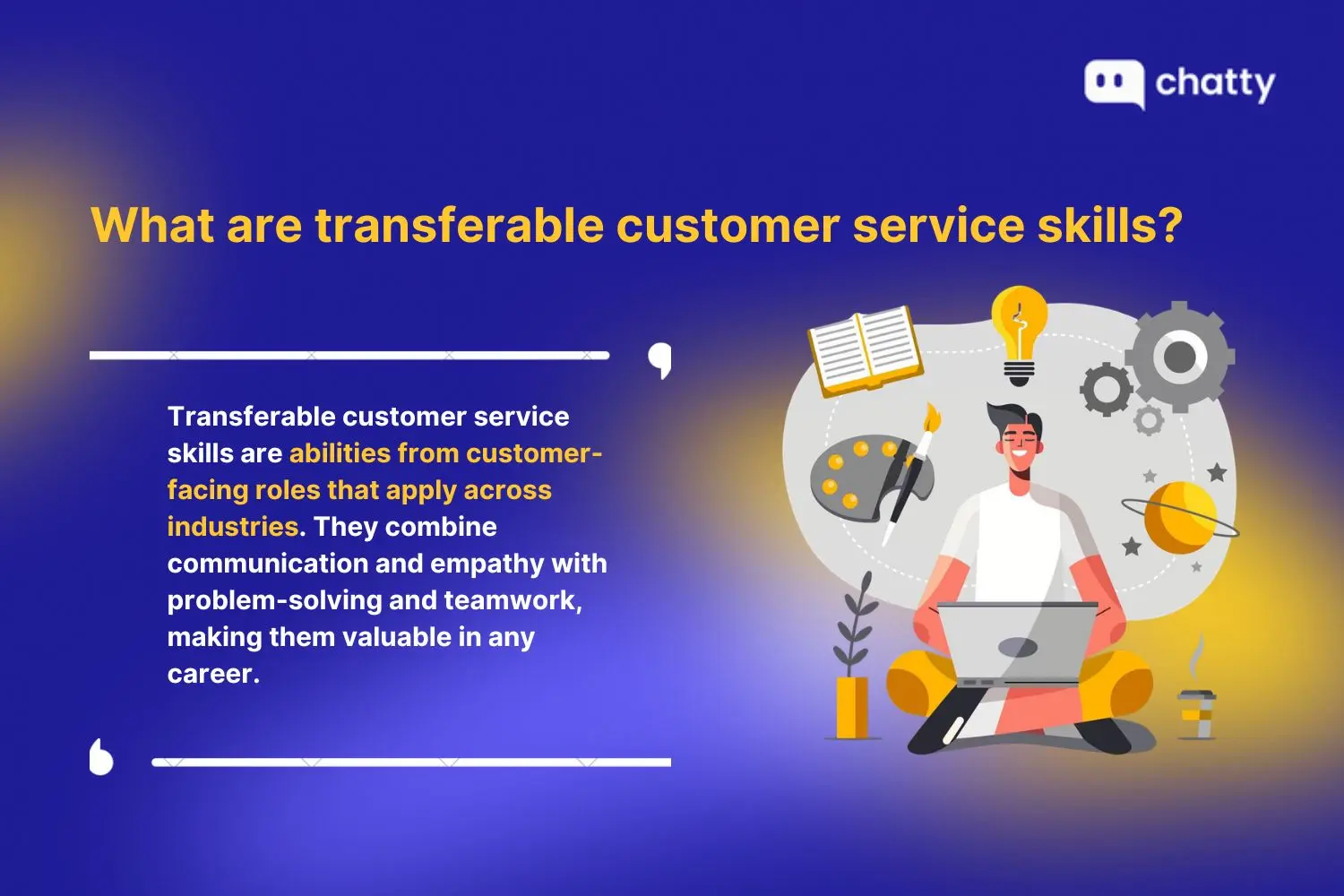
Transferable customer service skills are abilities developed in customer-facing roles that apply across industries and career paths. They are not limited to handling inquiries or resolving complaints. Instead, they reflect how professionals communicate, manage pressure, solve problems, and collaborate within structured work environments. Because these capabilities are essential in almost every organization, they remain valuable far beyond traditional support roles.
These skills combine interpersonal strengths with practical workplace competencies. On the interpersonal side, customer service builds clear communication, empathy, emotional intelligence, and active listening. Professionals learn how to adjust tone, manage difficult conversations, and build trust quickly.
At the operational level, customer service strengthens problem-solving, time management, prioritization, teamwork, and familiarity with tools such as CRM systems and collaboration platforms. Employees also become comfortable working toward measurable performance goals.
Together, these skills create a balanced foundation of human understanding and business execution, making them highly adaptable in nearly any professional setting.
Why do customer service skills transfer so well?
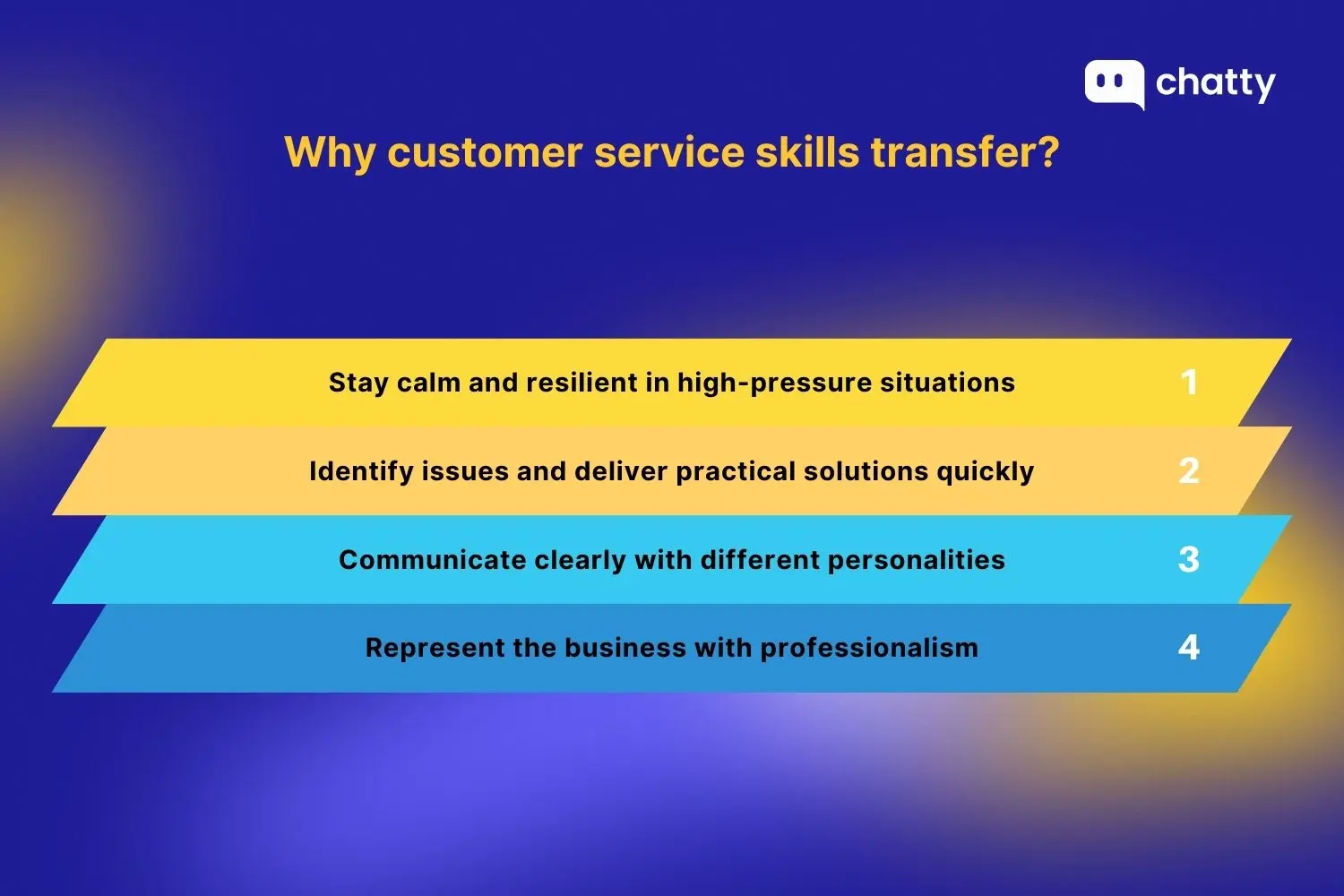
Customer service skills transfer well because they are built around core professional abilities that apply to almost every role and industry. Rather than focusing on narrow technical tasks, customer service develops how people think, communicate, and respond under real-world pressure. These capabilities naturally extend beyond frontline support.
In customer service, employees are consistently required to:
- Work with people under pressure. Managing frustrated customers, urgent requests, and performance targets builds emotional control, patience, and resilience. These qualities are essential in leadership, sales, HR, and cross-functional collaboration.
- Solve problems quickly. Service professionals learn to gather information fast, identify root causes, evaluate options, and deliver practical solutions. This structured approach strengthens performance in project management, operations, account management, and technical roles.
- Communicate clearly. Explaining policies, guiding customers step by step, and adjusting tone to different personalities sharpens clarity and persuasion. These communication habits improve teamwork, stakeholder management, and presentations.
- Represent the business professionally. Every interaction reflects the brand. Employees develop accountability, professionalism, and an understanding of how their behavior impacts reputation. This awareness prepares them for supervisory and strategic responsibilities.
Because customer service blends emotional intelligence, decision-making, and professional communication, it creates a strong foundation for career growth. The same skills that help someone handle a difficult customer can help them manage a team, lead a project, or build client relationships. That is why customer service experience is often seen as a launchpad for advancement across industries.
Top 10 transferable customer service skills
Emotional intelligence
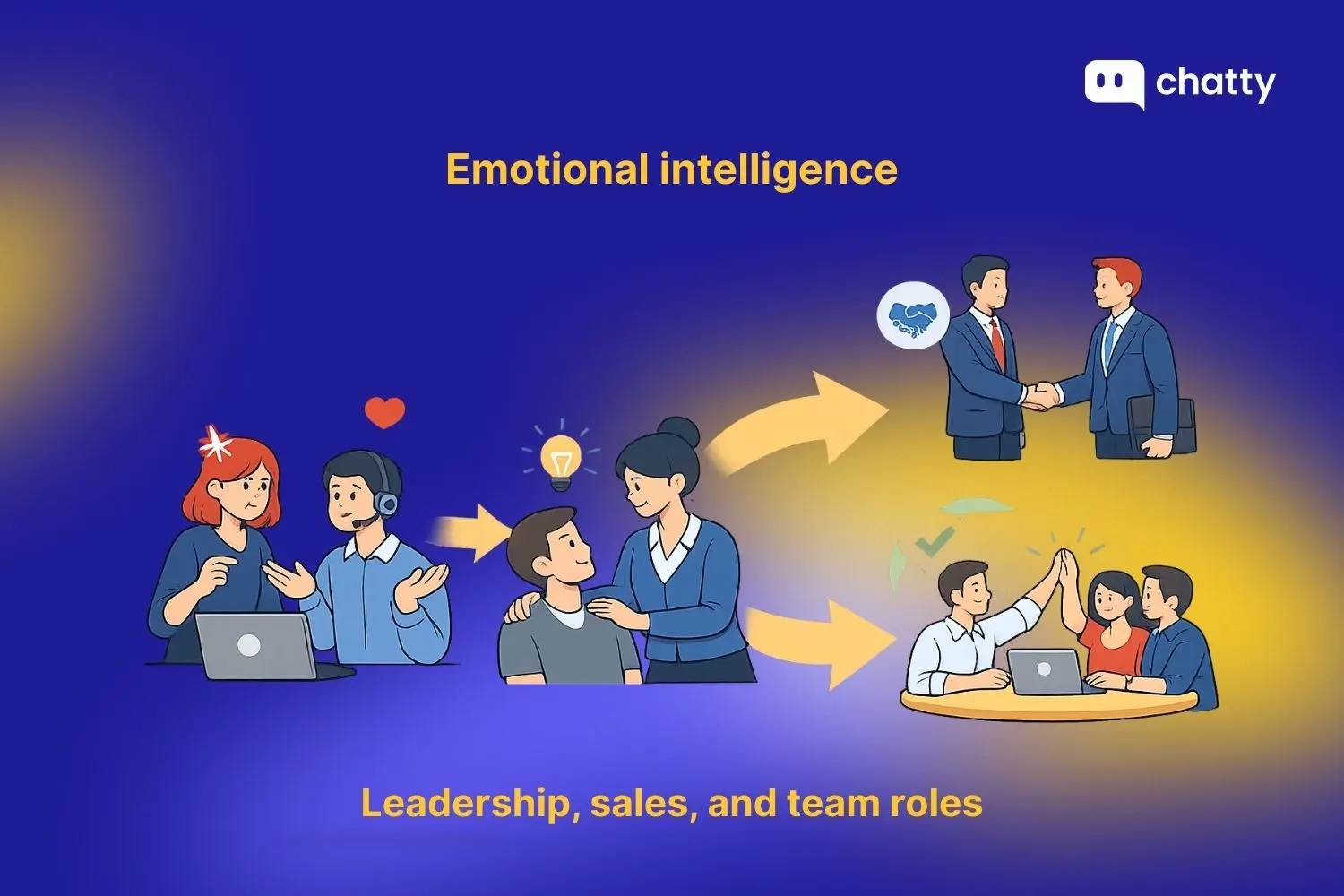
Emotional intelligence is the ability to recognize, understand, and manage emotions, both your own and others'. In customer service, this means noticing when a customer's tone indicates frustration, responding with empathy, and staying calm even when the conversation becomes tense. Over time, professionals learn to regulate their reactions and guide conversations toward positive outcomes.
For example, if a customer angrily complains about a delayed order, an emotionally intelligent response would acknowledge their frustration before offering a solution. Instead of reacting defensively, the representative might say, "I understand how disappointing that must be. Let me fix this for you."
This skill transfers directly into leadership, sales, and team management, where reading emotional cues and maintaining composure strengthen trust and rapport.
Communication skills
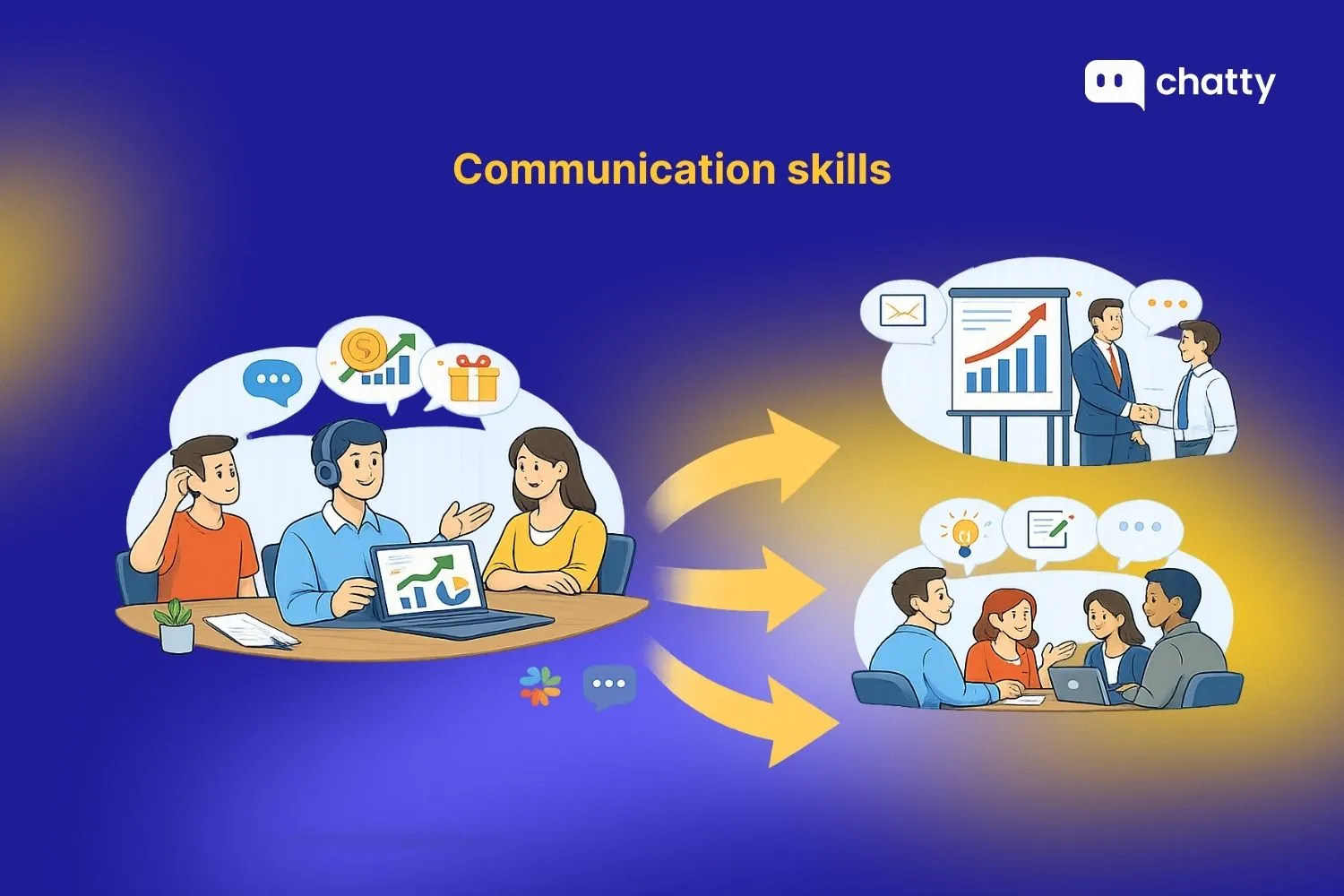
Customer service strengthens communication because clarity is key to success. Professionals must explain solutions clearly, often simplifying policies or technical instructions. They also learn to adjust tone depending on the audience, using a reassuring tone for upset customers or a concise style for internal updates.
For example, instead of saying, "The system encountered a processing discrepancy," a service professional might say, "There was a payment error, and here's how we'll fix it." Clear wording reduces confusion and builds confidence.
These habits transfer into presentations, client meetings, and cross-functional collaboration. Strong written and verbal communication ensures expectations are aligned and misunderstandings are minimized across any department.
Active listening
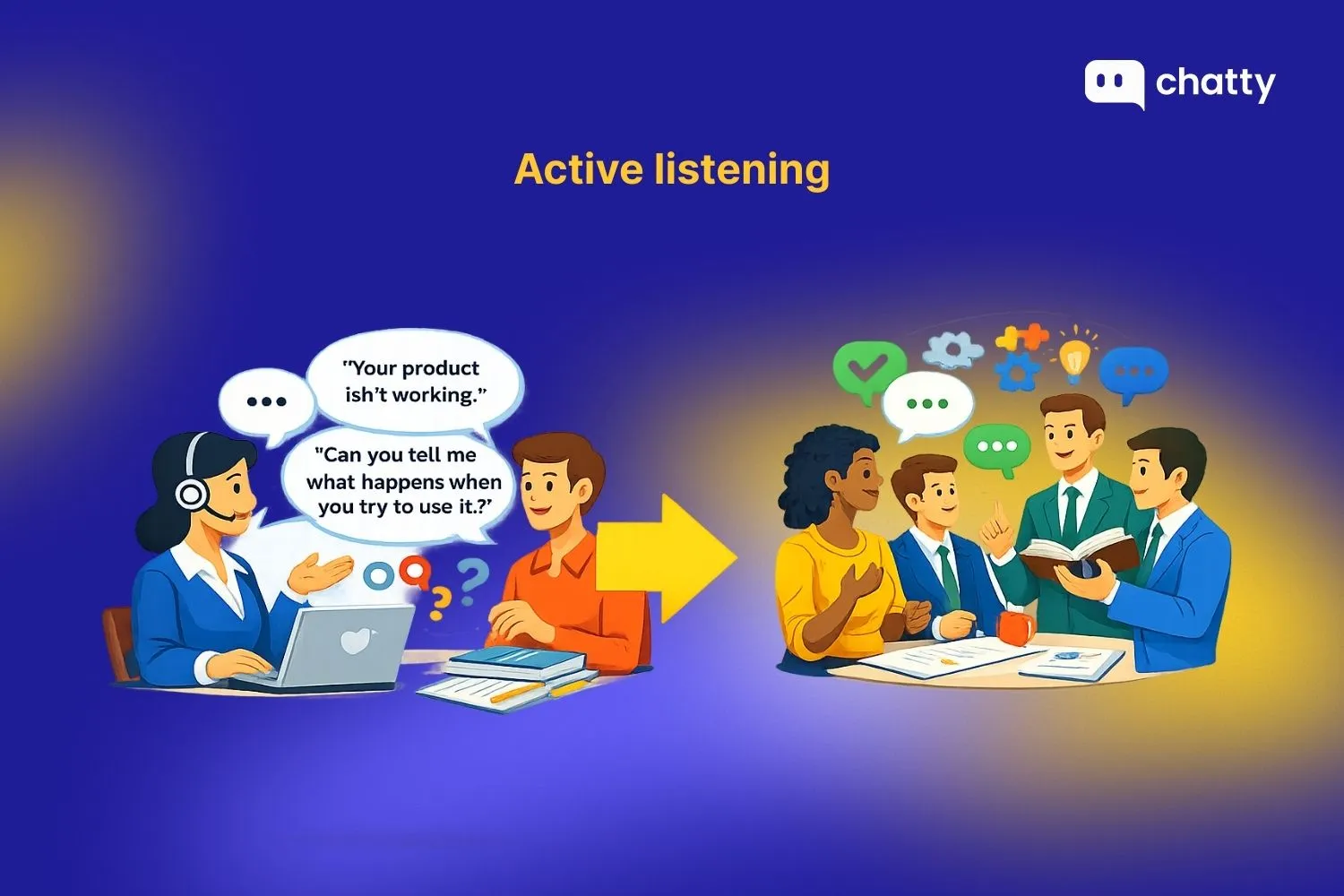
Active listening means fully focusing on the speaker and confirming understanding before responding. In customer service, this involves understanding customer needs by letting them explain the situation without interruption. Asking clarifying questions helps uncover the real issue.
For example, if a customer says, "Your product isn't working," an active listener might respond, "Can you tell me what happens when you try to use it?" This prevents assumptions and identifies the root cause.
Active listening prevents misunderstandings and reduces repeated problems. In any professional role, this skill improves collaboration, strengthens relationships, and leads to more accurate solutions.
Conflict resolution
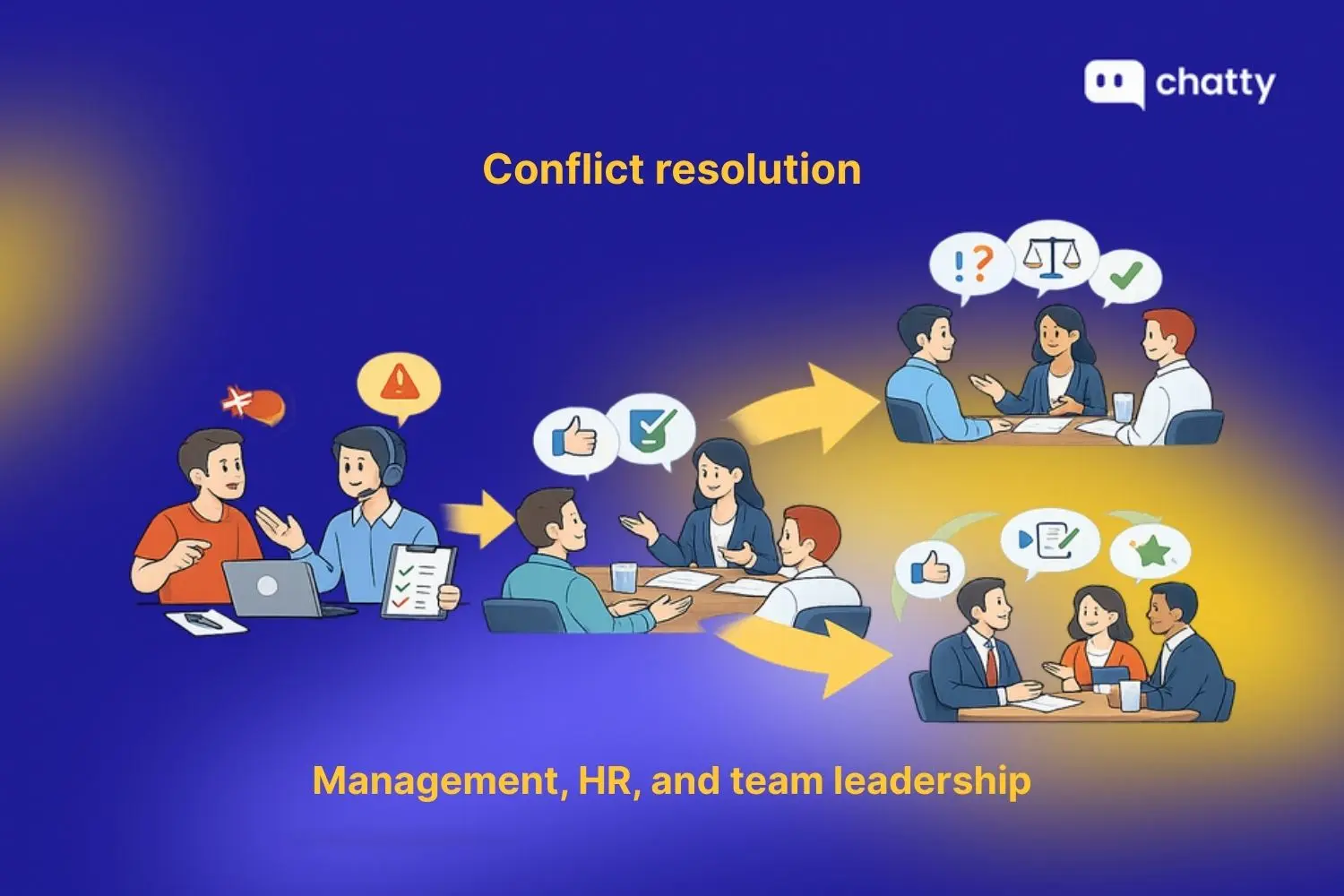
Customer service professionals regularly handle complaints and tense situations. Conflict resolution involves de-escalating emotions, negotiating fair outcomes, and maintaining professionalism under stress. Instead of arguing, representatives focus on solutions.
For example, if a customer requests a refund outside the policy, the representative might explain the policy clearly while offering an alternative, such as store credit or expedited support.
This balanced approach protects both the customer relationship and company standards. Conflict resolution transfers well into management, HR, and team leadership roles where disagreements must be handled constructively to maintain trust and productivity.
Problem-solving
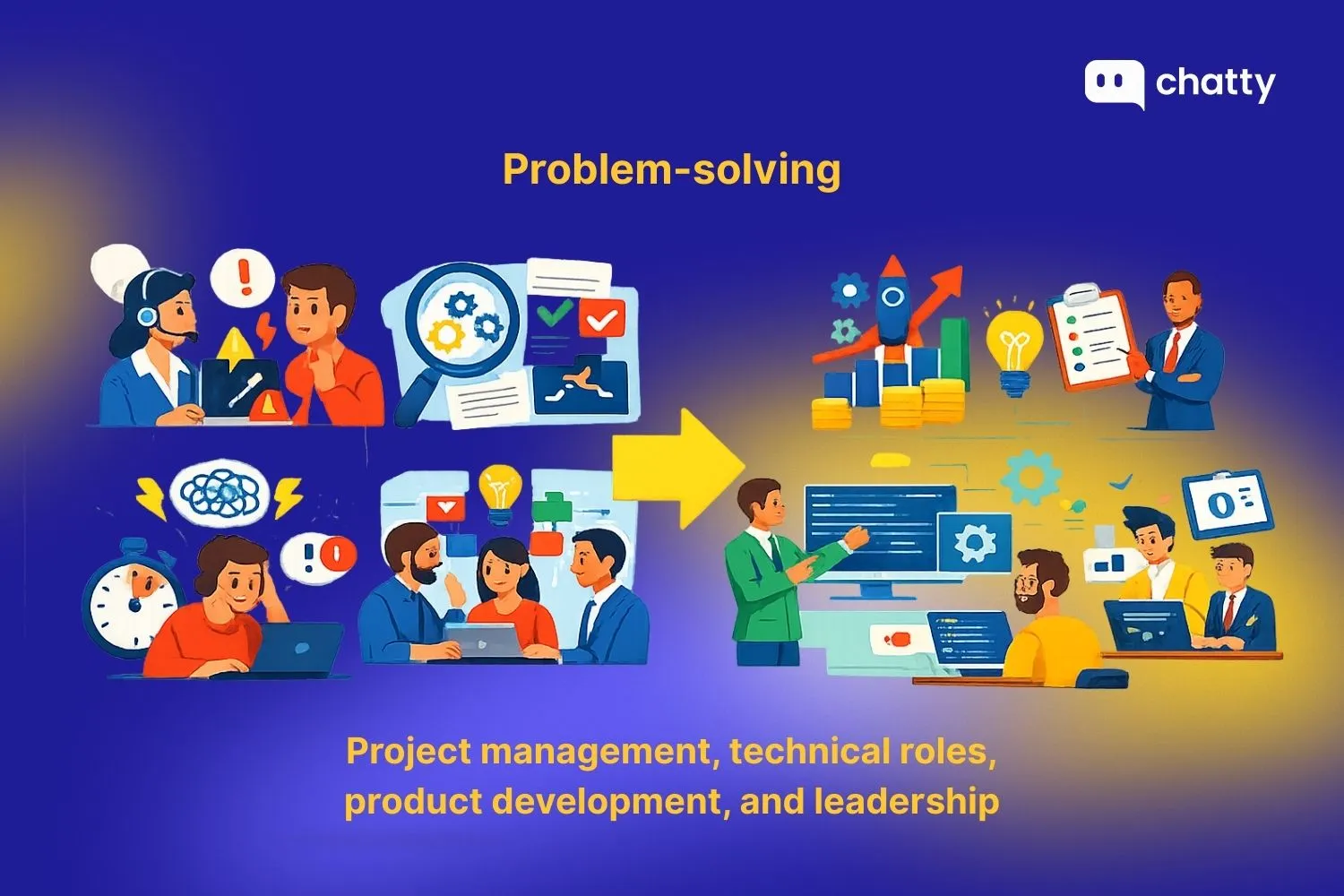
Problem-solving in customer service is both structured and fast-paced. Employees must diagnose issues quickly by gathering relevant information and identifying patterns. They learn to distinguish between symptoms and root causes, which leads to more effective solutions.
Finding solutions efficiently often requires balancing creativity with policy guidelines and available resources. Because interactions happen in real time, professionals develop the ability to think critically under pressure.
These habits translate well into project management, technical roles, product development, and leadership. Strong problem-solvers not only fix immediate issues but also suggest improvements that prevent recurrence, adding long-term value to any organization.
Time management and prioritization

Customer service environments demand strong time management and prioritization. Professionals frequently handle multiple customer requests simultaneously while maintaining quality and empathy. They must assess urgency, allocate attention strategically, and meet deadlines or service level targets. This discipline builds focus and productivity in fast-paced settings.
Over time, employees learn to manage workloads without sacrificing accuracy or professionalism. These capabilities transfer into roles that involve project deadlines, multitasking, and performance metrics. Effective prioritization ensures that high-impact tasks receive attention first, improving both personal efficiency and overall team performance across departments.
Collaboration and teamwork
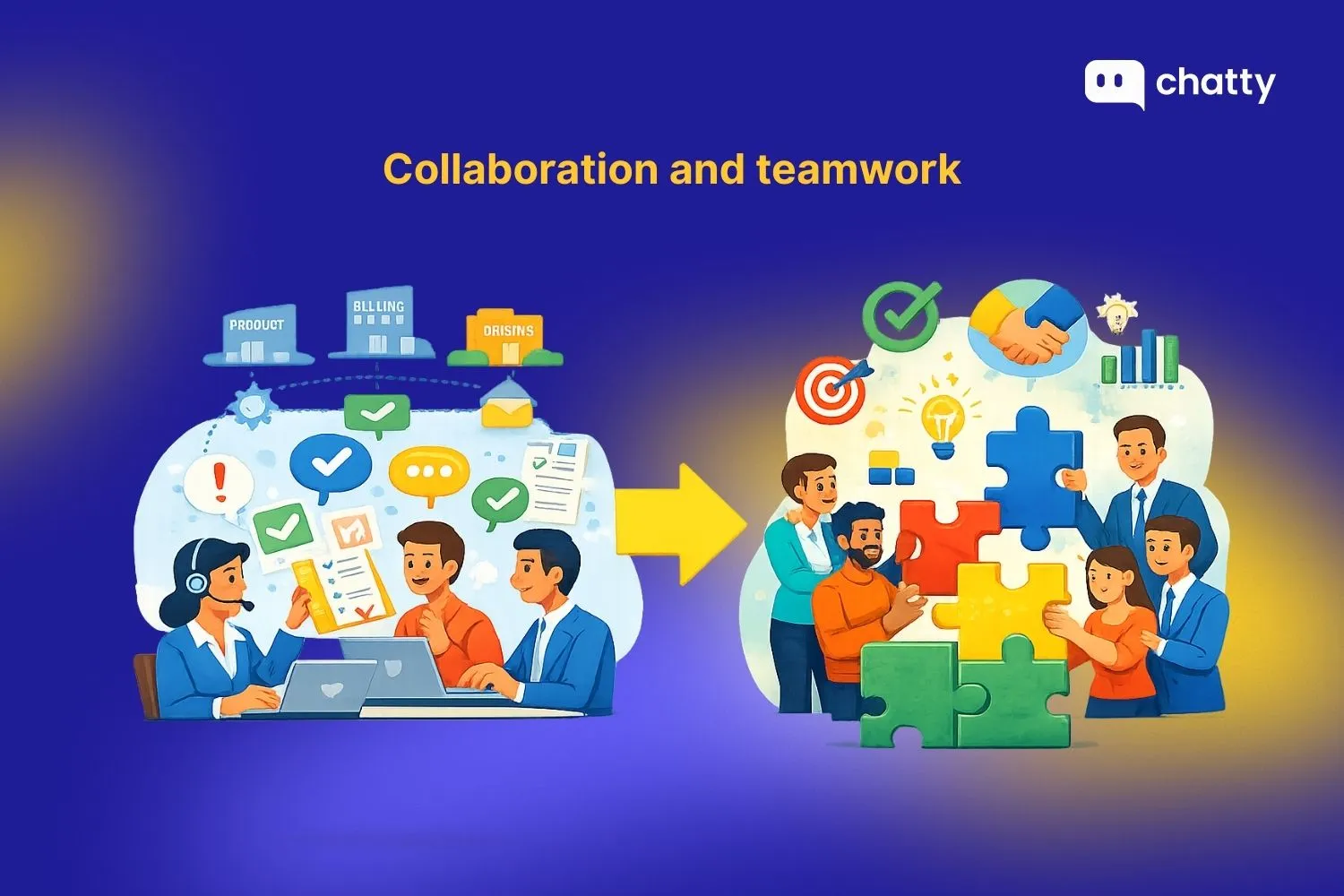
Customer service rarely operates in isolation. Representatives work closely with coworkers, supervisors, and specialists to resolve complex issues. They coordinate with other departments, such as product, billing, or logistics, to ensure accurate and timely solutions.
This cross-functional collaboration fosters a shared understanding of business goals and their impact on customers. By supporting shared objectives rather than focusing solely on individual performance, service professionals strengthen team cohesion.
These teamwork habits are highly transferable to any organizational role. Strong collaborators communicate openly, respect diverse perspectives, and contribute to collective success, which enhances innovation and operational effectiveness.
Technical skills and customer service tools
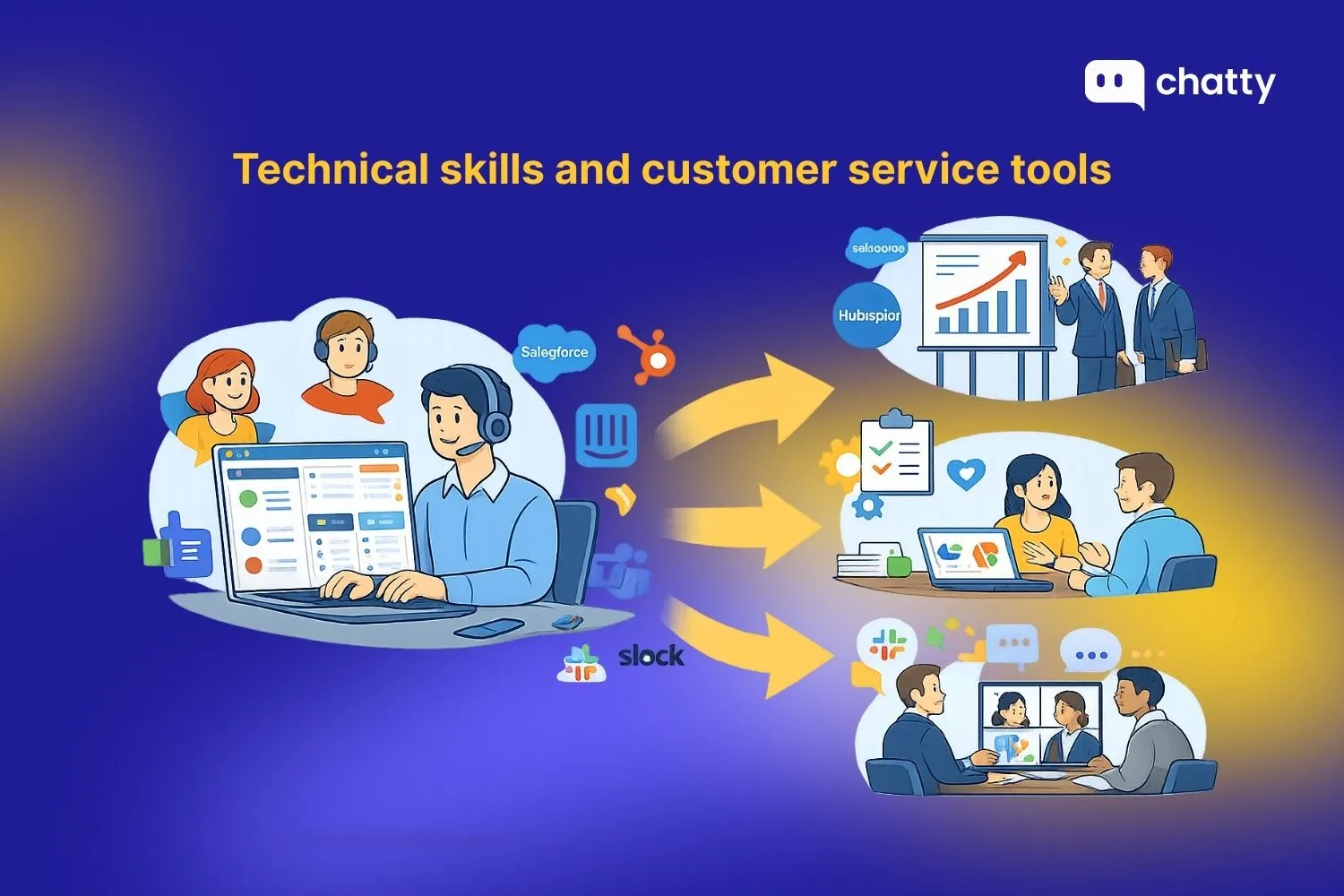
Modern customer service relies heavily on technology, making technical proficiency another transferable asset. Professionals gain hands-on experience with CRM platforms such as Salesforce and HubSpot to track interactions and manage customer data. They also use support software like Zendesk and Intercom to resolve tickets efficiently. Communication tools such as Microsoft Teams and Slack help coordinate internally.
These systems build digital literacy, data awareness, and workflow management skills that transfer easily into sales, operations, marketing, and remote team environments.
Subject matter expertise

Over time, customer service professionals develop deep knowledge of products or services. They understand features, limitations, common issues, and best practices. This subject matter expertise allows them to explain complex topics simply and confidently.
By translating technical information into clear guidance, they bridge the gap between internal teams and customers. As knowledge grows, they often become trusted internal resources whom colleagues consult for insights or feedback.
This expertise transfers into roles such as training, product management, or sales enablement. A strong foundation in product knowledge strengthens credibility and supports more strategic contributions within the organization.
Sales and customer retention skills
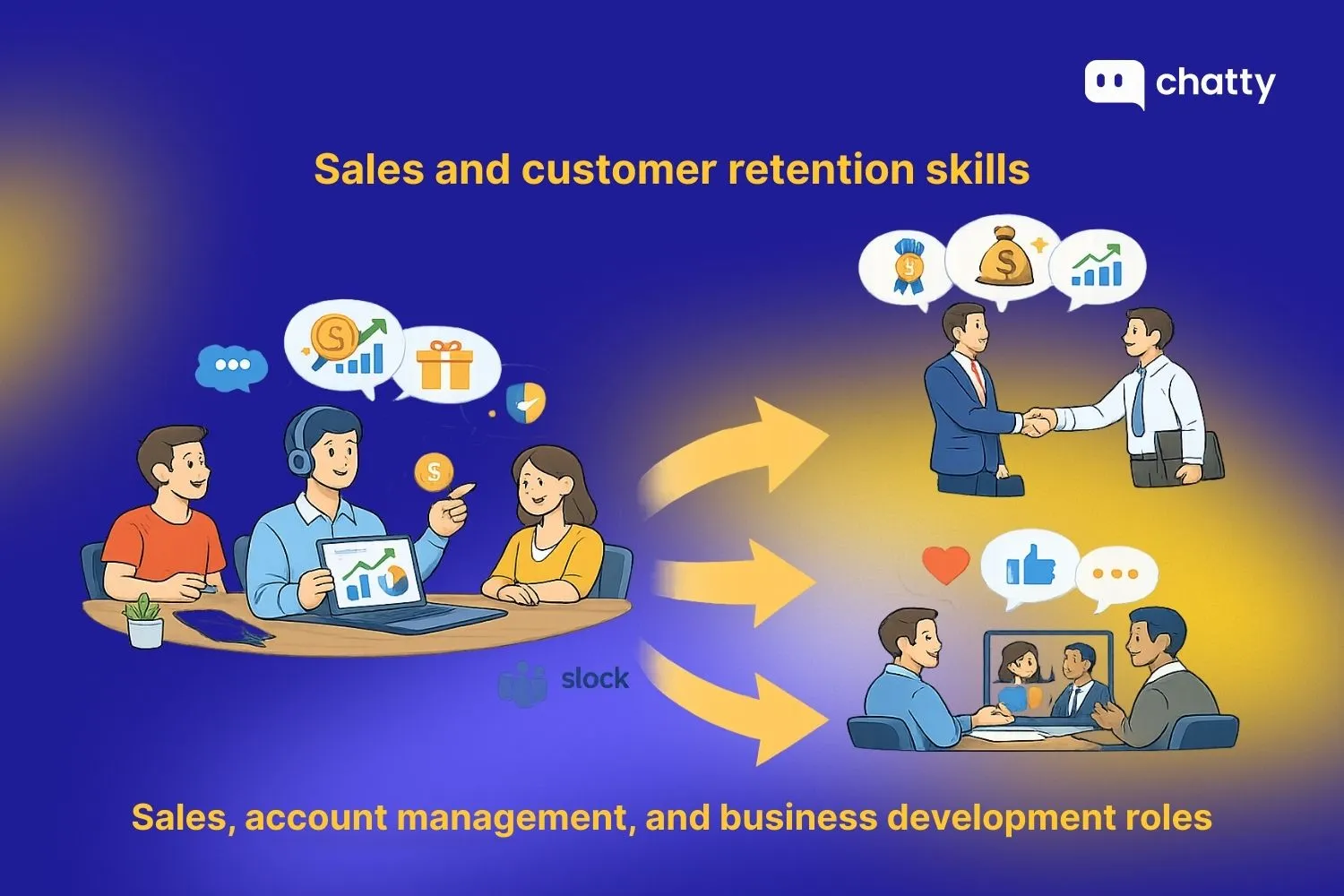
Customer service plays a direct role in revenue growth through sales and retention skills. Representatives learn to identify opportunities for upselling and cross-selling when solutions align with customer needs. Because they already understand customer goals and challenges, their recommendations feel relevant rather than pushy.
They also encourage loyalty by delivering consistent, positive experiences that increase trust. Supporting company growth through service reinforces the connection between customer satisfaction and long-term profitability.
These skills transfer into sales, account management, and business development roles, where relationship-building and value-driven conversations drive sustainable success.
How to improve transferable customer service skills
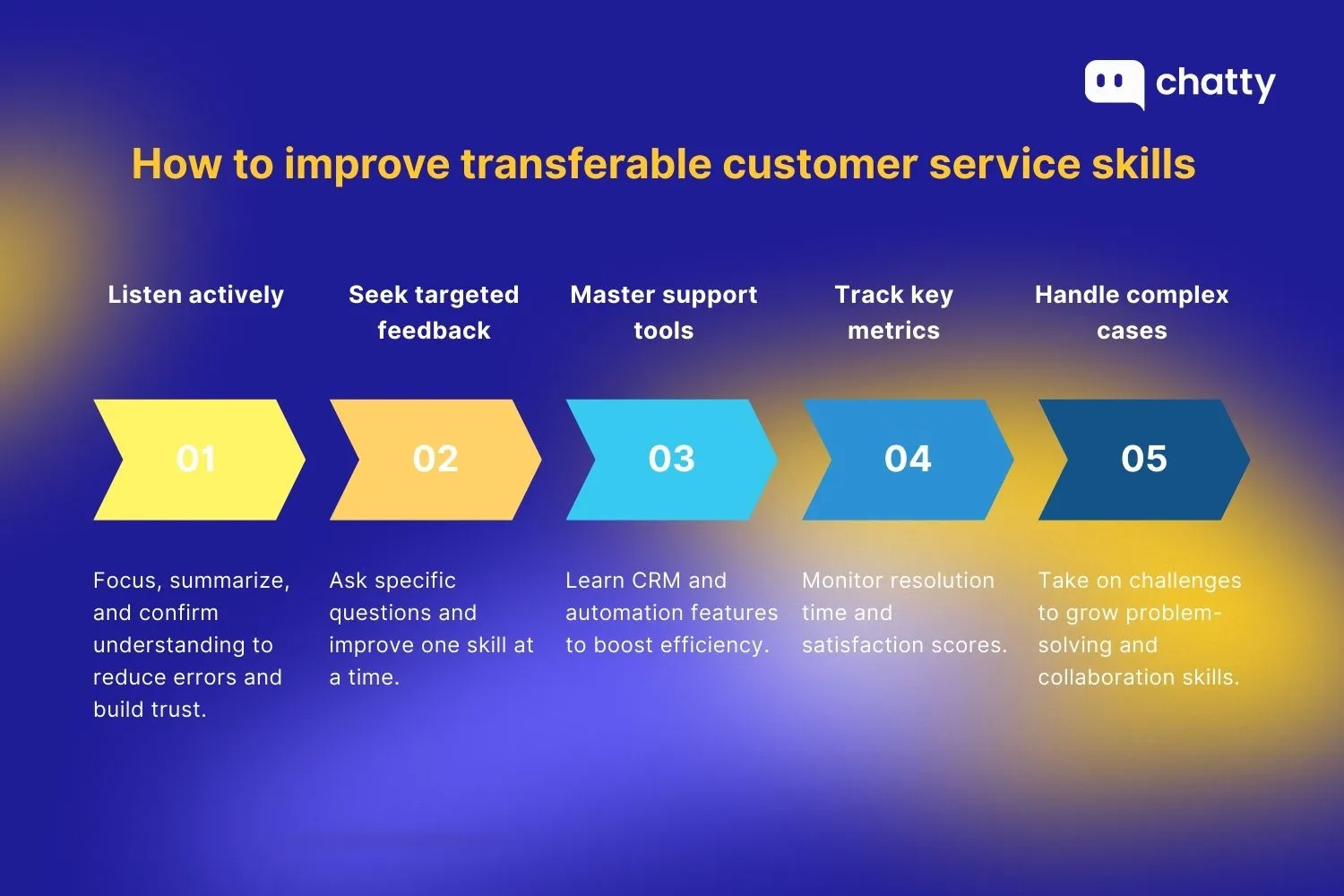
Below are practical strategies you can apply immediately to strengthen your transferable customer service skills.
Active listening techniques
Start by improving how you listen. During customer interactions, focus fully on the speaker without interrupting. Take brief notes, summarize key points, and confirm understanding before offering solutions. For example, say, "To make sure I understand, your issue started after the update, correct?"
This habit reduces errors and builds trust. Practicing this daily strengthens communication, emotional intelligence, and problem-solving simultaneously. Over time, you will notice fewer repeated explanations and faster resolutions.
Request feedback from supervisors
Growth accelerates when feedback is specific and actionable. Ask supervisors to review recorded calls, chat transcripts, or email responses and identify patterns. Instead of requesting general feedback, ask targeted questions such as, "How could I have de-escalated that situation more effectively?" Apply one improvement at a time in future interactions. Consistent feedback sharpens self-awareness and helps turn good service behaviors into consistent professional strengths.
Learn new customer support tools
Technical confidence increases efficiency and credibility. Invest time in mastering CRM systems, automation features, reporting dashboards, and internal collaboration tools. For instance, learning advanced search filters or workflow automation can reduce handling time significantly. The more comfortable you are with tools, the more attention you can dedicate to customer experience and strategic thinking.
Track measurable performance outcomes
Monitor metrics such as resolution time, customer satisfaction scores, and repeat contact rates. Set small improvement goals each month. Tracking data transforms abstract skills into measurable performance improvements and highlights where further development is needed.
Volunteer for complex customer cases
Challenging cases accelerate growth. Complex situations require deeper emotional control, advanced problem-solving, and cross-department collaboration. By stepping outside routine tasks, you build confidence and expand your transferable skill set in real, high-impact scenarios.
How to show transferable customer service skills on a resume
Customer service experience becomes more powerful on a customer service resume when it is framed around results, not just responsibilities. Instead of simply listing "customer service representative," focus on the transferable skills you developed and how they created a measurable impact. Employers in any industry look for evidence of communication, problem-solving, collaboration, and performance under pressure.
Include skills in your skills section
Start by identifying core transferable skills such as communication, conflict resolution, time management, CRM proficiency, and cross-functional collaboration. List them clearly in your skills section, using language that aligns with the job description. For example, instead of writing "good with customers," use specific phrasing like "client relationship management" or "issue resolution and de-escalation." This makes your experience relevant beyond customer support roles.
Demonstrate skills in work experience bullet points
Your work experience section should provide proof. Use bullet points that combine action verbs, responsibilities, and measurable results. Quantify performance whenever possible to increase credibility.
For example:
- Resolved customer issues while maintaining high satisfaction ratings above 95%.
- Managed 60+ inquiries daily across phone, email, and live chat while meeting response time targets.
- Collaborated with product and billing teams to resolve complex cases and reduce repeat contacts.
By aligning your skills with outcomes, you demonstrate that your customer service background translates into reliability, efficiency, and business impact across roles.
Common mistakes when listing transferable customer service skills
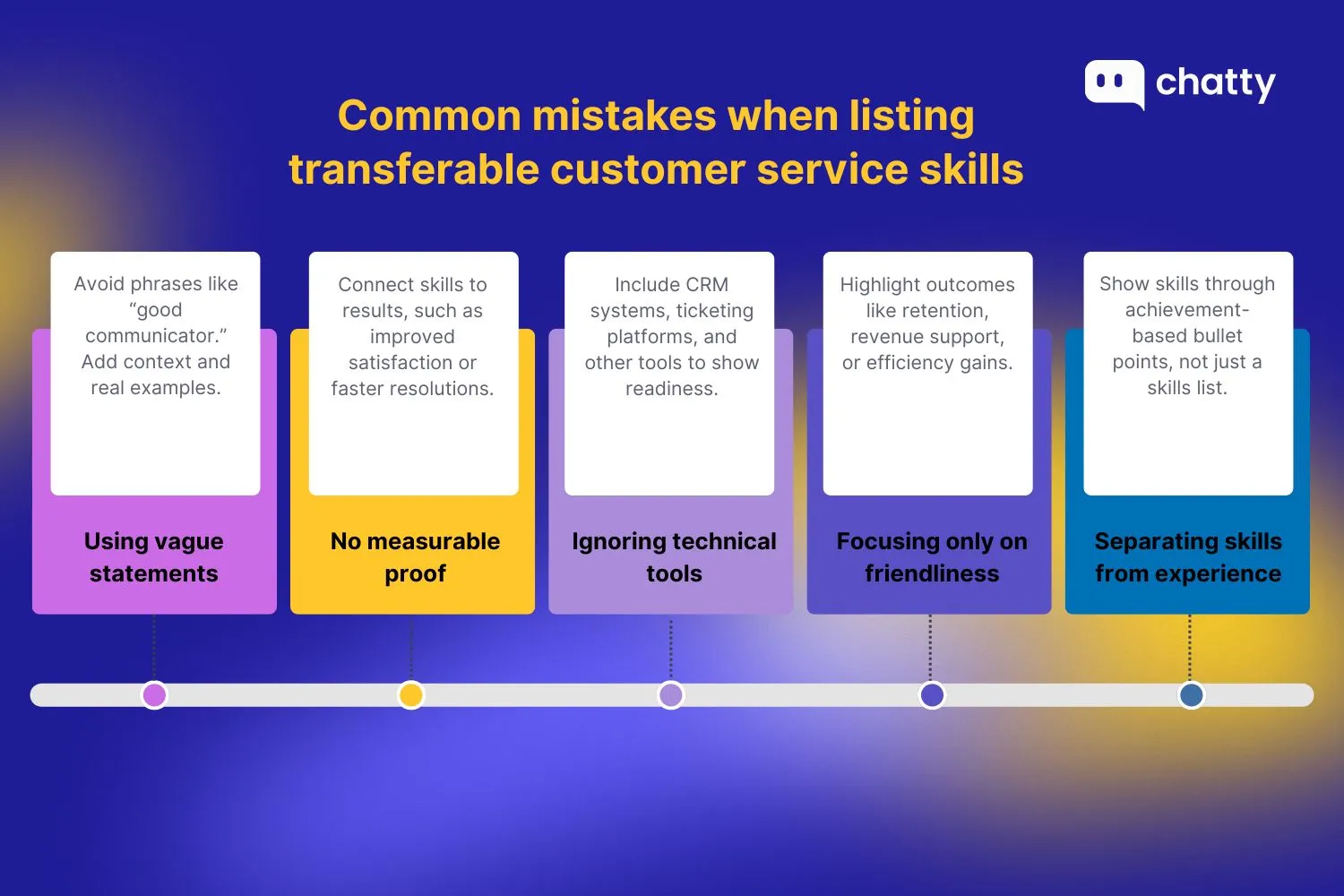
Many professionals describe customer service skills too generically, so your resume must clearly show measurable business impact to stand out.
Using vague or generic skill statements
Listing phrases like "excellent communication skills" or "team player" adds little value because they lack context. Hiring managers need to see how you applied the skill. Instead of writing "strong communicator," describe what that looked like in action, such as "Explained complex billing policies to non-technical customers and reduced repeat inquiries." Specific context shows depth and makes your claim believable.
Listing skills without proof or measurable results
A skill without evidence feels like an opinion. Always connect your abilities to outcomes. For example, instead of stating "problem-solving skills," write "Resolved escalated cases within 24 hours, improving customer satisfaction scores from 88% to 94%." Quantifying results demonstrates competence and business contribution, which is what employers evaluate.
Ignoring technical tools and hard skills
Customer service today is highly technical. If you used CRM systems, ticketing platforms, reporting dashboards, or collaboration tools, include them. Mentioning system proficiency and workflow efficiency shows operational readiness. Employers value candidates who can adapt quickly to tools and processes, not just interact well with people.
Focusing only on friendliness instead of business impact
Being friendly is expected, not differentiating. Shift the focus toward outcomes such as retention, revenue support, or efficiency improvements. For example, highlight how your service reduced churn, supported upselling, or shortened response times. This reframes customer service as a strategic business function rather than a purely relational one.
Forgetting to show skills in work experience bullet points
Finally, ensure your skills appear within achievement-driven bullet points, not just in a skills section. Each claim should be supported by a real example. When skills and results are integrated clearly, your customer service background becomes a strong foundation for roles across industries.
The Bottom Line
Transferable customer service skills are not limited to customer-facing roles. They strengthen performance in operations, sales, management, and many other career paths. By developing emotional intelligence, communication, technical proficiency, and measurable customer service problem-solving abilities, professionals increase their long-term career mobility. The key is not only building these skills, but clearly demonstrating them with results. When presented strategically on your resume, they become powerful proof of versatility and professional value.